
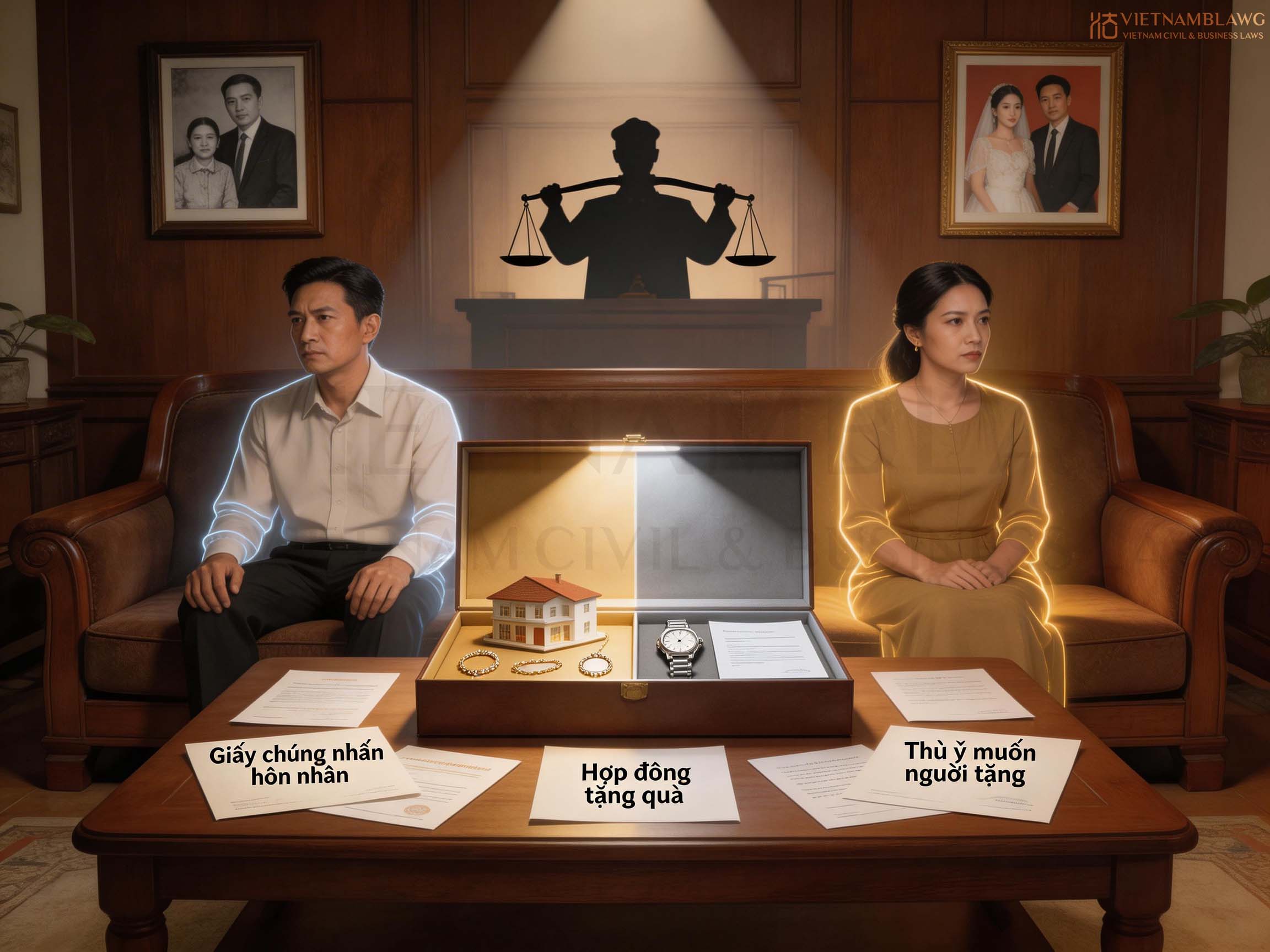

As cross-border family lawyers, we natually focus on matrmonial property regime in Vietnam and other jurisdictions. We got an inquiry as below:
When parents give house and land to their daughter as separate property (here in this post, separate property is the opposite to joint or community property), does the son-in-law have to sign a waiver of the property?
When parents give their daughter real estate as separate property (meaning that this property belongs to the daughter only despite that she is married), many people wonder whether the son-in-law needs to sign a confirmation or waiver of the property rights.
Article 43 of the 2014 Law on Marriage and Family prescribes the separate property of spouses as follows: the separate property of spouses includes:
(1) property that each person owned before marriage;
(2) property inherited separately, or received as a gift separately during the marriage;
(3) property divided separately for each spouse in accordance with Articles 38, 39 and 40 of this Law;
(4) property serving the essential needs of each spouse; and
(5) other property that is legally owned separately by each spouse.
Separate property is defined as property that belongs separately to each spouse, including property received as a gift separately during the marriage period. As a matter of law, a separate property generally remains untouched in the case of divorce.
Properties formed or generated from the separate property of spouses is also considered separate property. The fruits and profits generated from separate properties during the marriage are implemented in accordance with Clause 1, Article 33 and Clause 1, Article 40 of this Law.
According to the above provisions, separate property includes property received as a gift separately during the marriage period.
Thus, in cases where parents give land use rights certificates to their married daughter, it is still considered separate property.
It shall be noted that Article 44 of the 2014 Law on Marriage and Family regulates the possession, use and disposition of separate property as follows: Spouses have the right to possess, use and dispose of their separate property; to merge or not to merge separate property into community property.
In cases where a spouse cannot manage their separate property and does not authorize others to manage it, the other spouse has the right to manage such property. The management of property must ensure the interests of the property owner. Separate property obligations of each person shall be paid from their separate property.
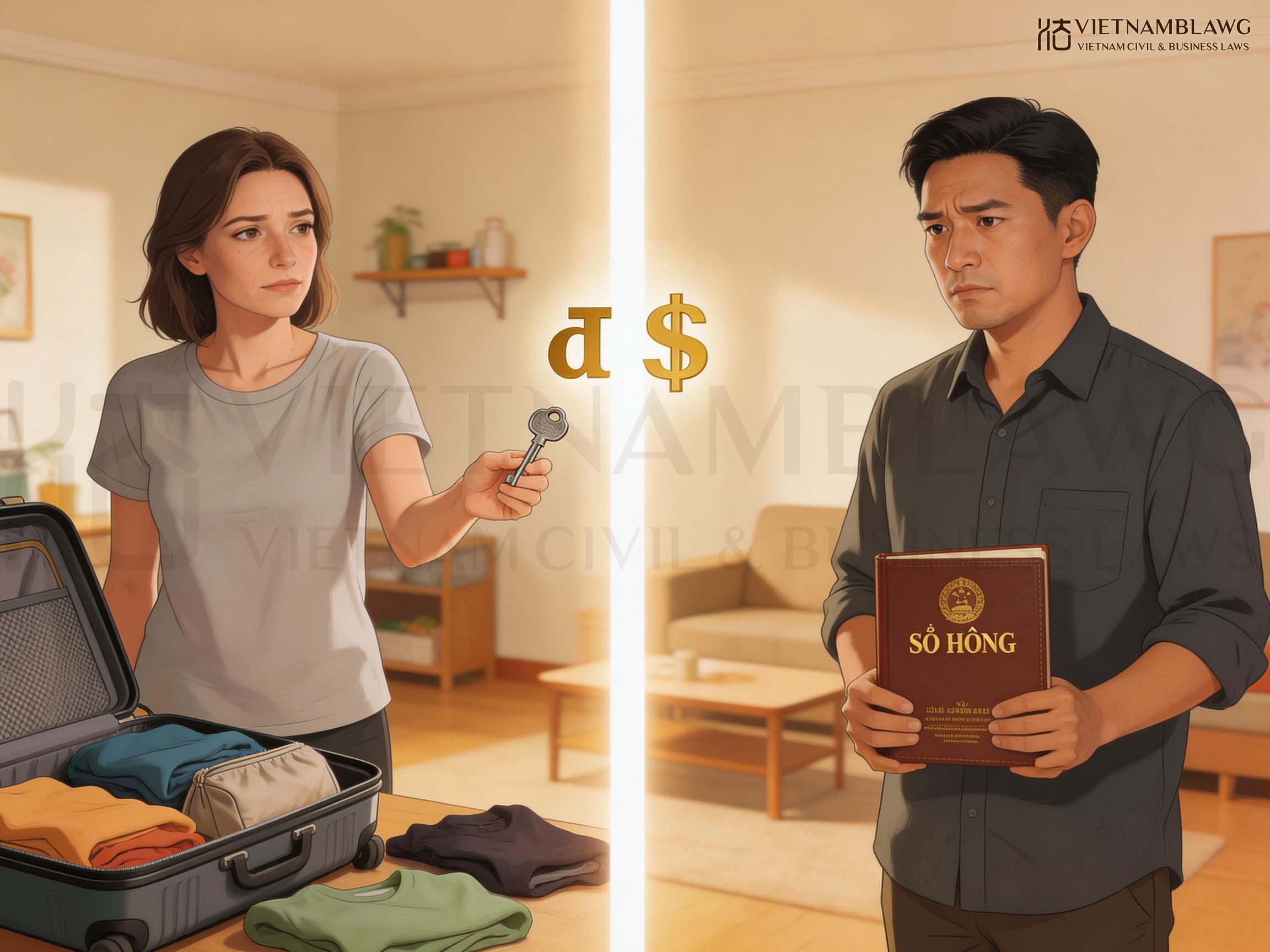
Therefore, in cases where parents give real estate to their daughter after she is married, the son-in-law can only be named in the property documents if the wife agrees to merge the separate property into community property. The husband does not have to sign a commitment for separate property or waive property rights when parents give property solely to the wife.

Comments