
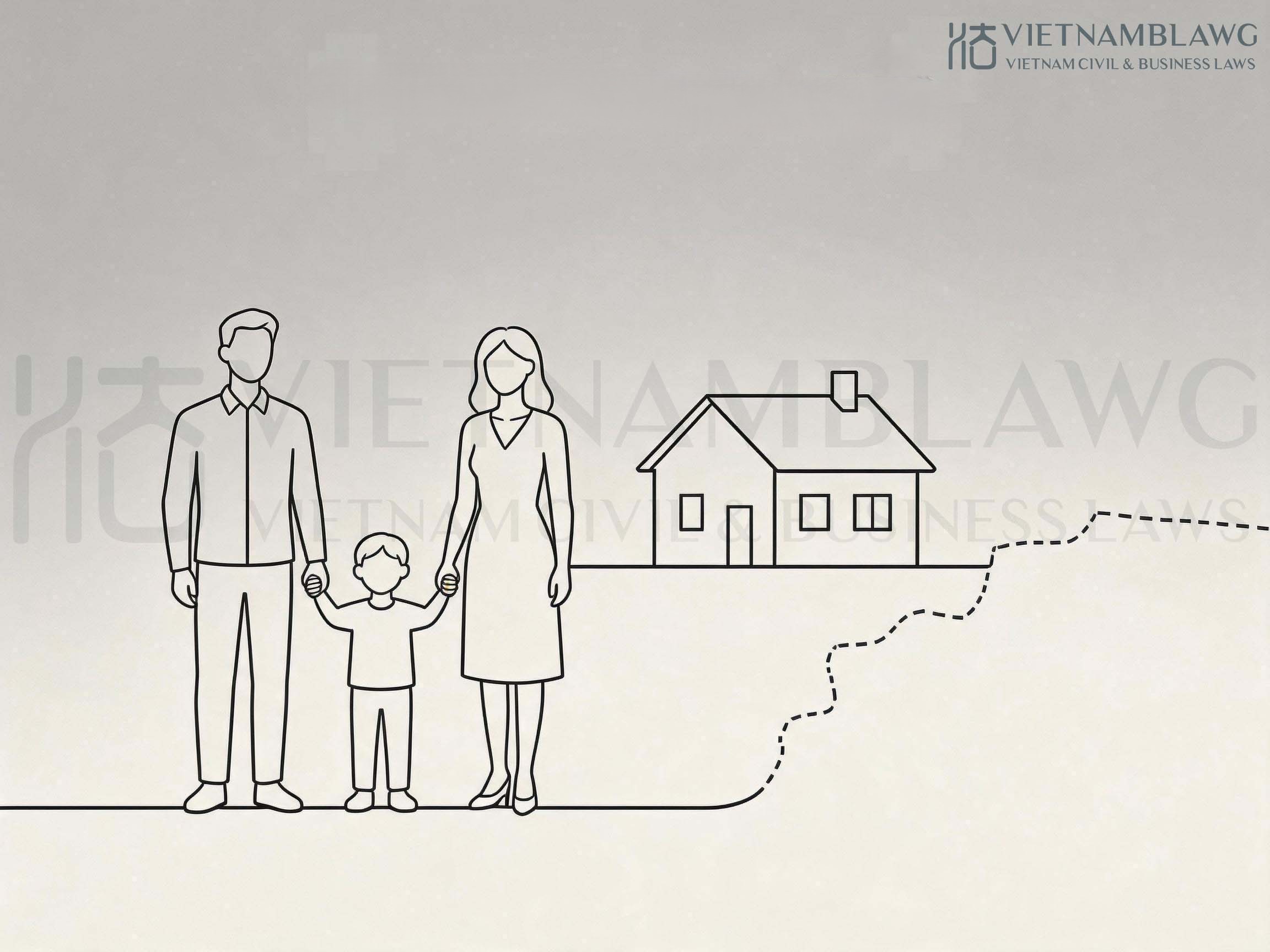

When a marriage ends, adults may separate their lives but for a child, divorce can change everything. This is why child custody is always one of the most important issues in divorce proceedings. When one parent is a foreigner, custody disputes often become even more stressful, raising questions about applicable law, court jurisdiction, and whether a child may be taken abroad.
However, it is worthy of a note that the term of custody used here may mean a different thing from common law jargons. As you will see below, Vietnamese court only decides on which parent will DIRECTLY take care of (in a sense, more "physical custody" as opposed to legal custody) the child after divorce, instead of "legal custody" issues in a divorce case. Nonetheless for easy writing, we continue use the term "custody" in this post, which shall be understood to refer to physical custoy of a child.
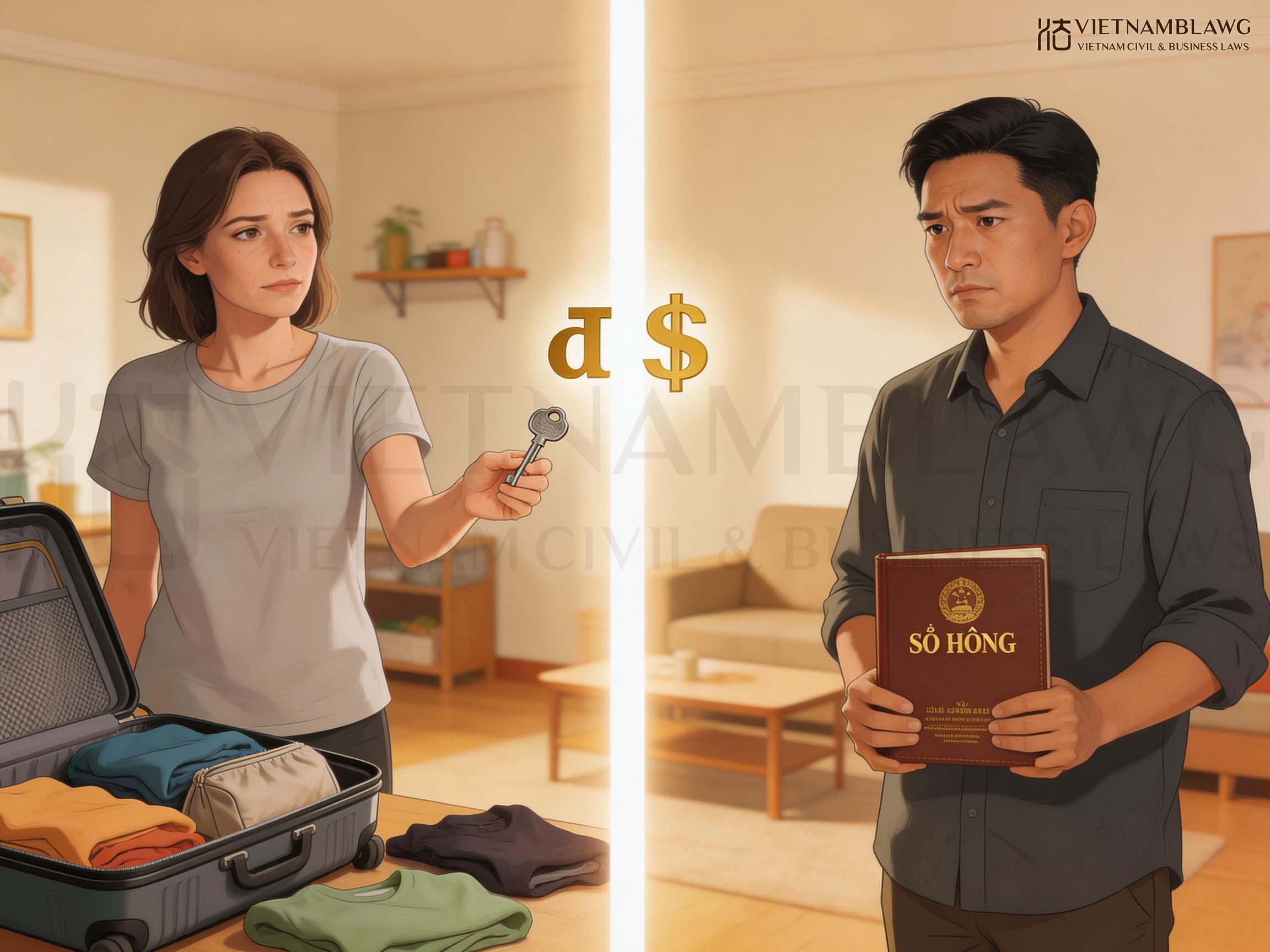
So, how does Vietnamese law determine child custody in a divorce involving a foreign spouse?
1. Which Law Applies in a Divorce With a Foreign Element?
Many parents assume that if one spouse is a foreigner, foreign law will automatically apply. In reality, this is often not the case.
According to Article 127.1 of the Law on Marriage and Family 2014, divorce between a Vietnamese citizen and a foreign spouse may fall under the jurisdiction of Vietnamese authorities when the marriage has been lawfully established and there are grounds for resolution in Vietnam. However, the determination of the law applicable to child custody is not based solely on court jurisdiction, but also on the conflict-of-law rules governing marriage and family relations involving foreign elements.
Specifically, Article 122 provides that Vietnamese law applies to marriage and family relations involving foreign elements, except where the law itself or an international treaty to which Vietnam is a party provides otherwise. Because the Law on Marriage and Family does not contain any provision referring child custody disputes after divorce to foreign law, Vietnamese substantive law governs custody matters when the case is resolved by a Vietnamese court.
Accordingly, the determination of the custodial parent in foreign-related divorce cases is governed by Articles 81, 82, and 83 of the 2014 Law on Marriage and Family, as further interpreted by Resolution No. 01/2024/NQ-HDTP which require the court to conduct a comprehensive assessment based on the child’s best interests, including caregiving capacity, living environment, emotional stability, and the child’s relationship with each parent.
2. Divorce Does Not End Parental Responsibilities
A common misunderstanding is that the parent who does not directly raise the child after divorce loses their role in the child’s life. Vietnamese law clearly rejects this idea.
According to Article 81.1 of the Law on Marriage and Family 2014, after divorce, both parents continue to have the rights and obligations to care for, nurture, and educate their children.
Therefore, the issue is not about “winning” or “losing” a child. It is about determining who will directly take care of the child on a daily basis, while both parents remain legally responsible for the child’s upbringing and well-being.
3. Priority Is Given to Parents’ Agreement
Vietnamese law strongly encourages parents to reach an agreement regarding
According to Article 81.2 of the Law on Marriage and Family 2014, parents may agree on the child’s living arrangements and on each parent’s rights and obligations after divorce. The court will respect this agreement if it does not negatively affect the child’s interests.
Where the parents fail to reach an agreement, the court will determine which parent will directly raise the child based on a comprehensive assessment of the child’s best interests in all respects. In addition, for children aged seven years or older, the court is legally required to consider the child’s expressed wishes when rendering its decision.
4. How the Court Decides Custody When Parents Cannot Agree
When parents cannot reach an agreement, the court will decide which parent should directly raise the child based on the best interests of the child in all respects, as required by Article 81.2 of the Law on Marriage and Family 2014.
In practice, this does not mean the court looks only at nationality, income, or which parent appears “stronger” on paper. Instead, judges examine the child’s real life and future very carefully.
To guide this assessment, Article 6.1 of Resolution No. 01/2024/NQ-HĐTP, which interprets Article 81 of the Law on Marriage and Family, requires the court to conduct an objective and comprehensive evaluation of multiple factors.
Specifically, the court will closely review:
- Each parent’s ability and conditions to directly care for, nurture, and educate the child, including the ability to protect the child from abuse or exploitation;
- The child’s right to live with the custodial parent while still maintaining a relationship with the other parent;
- The emotional attachment and closeness between the child and each parent;
- The level of care, attention, and involvement each parent has shown toward the child;
- The need to ensure stability and minimize disruption to the child’s living and educational environment;
- The child’s wish to live together with siblings (if any), in order to maintain emotional and psychological stability; and
- The child’s own wish to live with the father or the mother.
This means that the court does not decide which parent directly raises the child based on a single factor. Instead, all of the above aspects are considered together, with the child’s overall well-being as the central focus.
For children seven years of age or older, the law further requires the court to listen to the child’s wishes. While the child does not make the final decision, their opinion carries meaningful weight and is carefully assessed alongside other factors.
5. Why Children Under 36 Months Are Usually Placed With the Mother
Vietnamese law provides special protection for very young children.
According to Article 81.3 of the Law on Marriage and Family 2014, children under 36 months of age are generally placed in the direct care of the mother, unless the mother is not qualified to care for the child or the parents have agreed otherwise in the child’s best interests. This rule is based on caregiving needs rather than gender preference and is not applied mechanically.
Example:
If the mother frequently travels abroad and leaves the child with others for long periods, the court may determine that the father can provide a more stable environment.
6. Rights and Obligations of the Non-Custodial Parent
Not being granted custody does not mean losing parental rights.
According to Article 82 of the Law on Marriage and Family 2014, the non-custodial parent is obliged to provide child support and has the right to visit and maintain contact with the child. At the same time, Article 83 allows the court to restrict visitation if it harms the child’s physical or mental well-being. In foreign-related cases, courts are particularly cautious to prevent visitation from being misused to remove the child from Vietnam without consent.
7. Final Thoughts
Child custody disputes involving a foreign spouse are legally and emotionally complex. Vietnamese law provides a clear framework, but each case is decided based on its specific facts, with the child’s best interests as the highest priority.
For families in international marriages, understanding these legal principles early and seeking professional advice when needed can help prevent serious conflicts and protect the child’s future.



Comments