
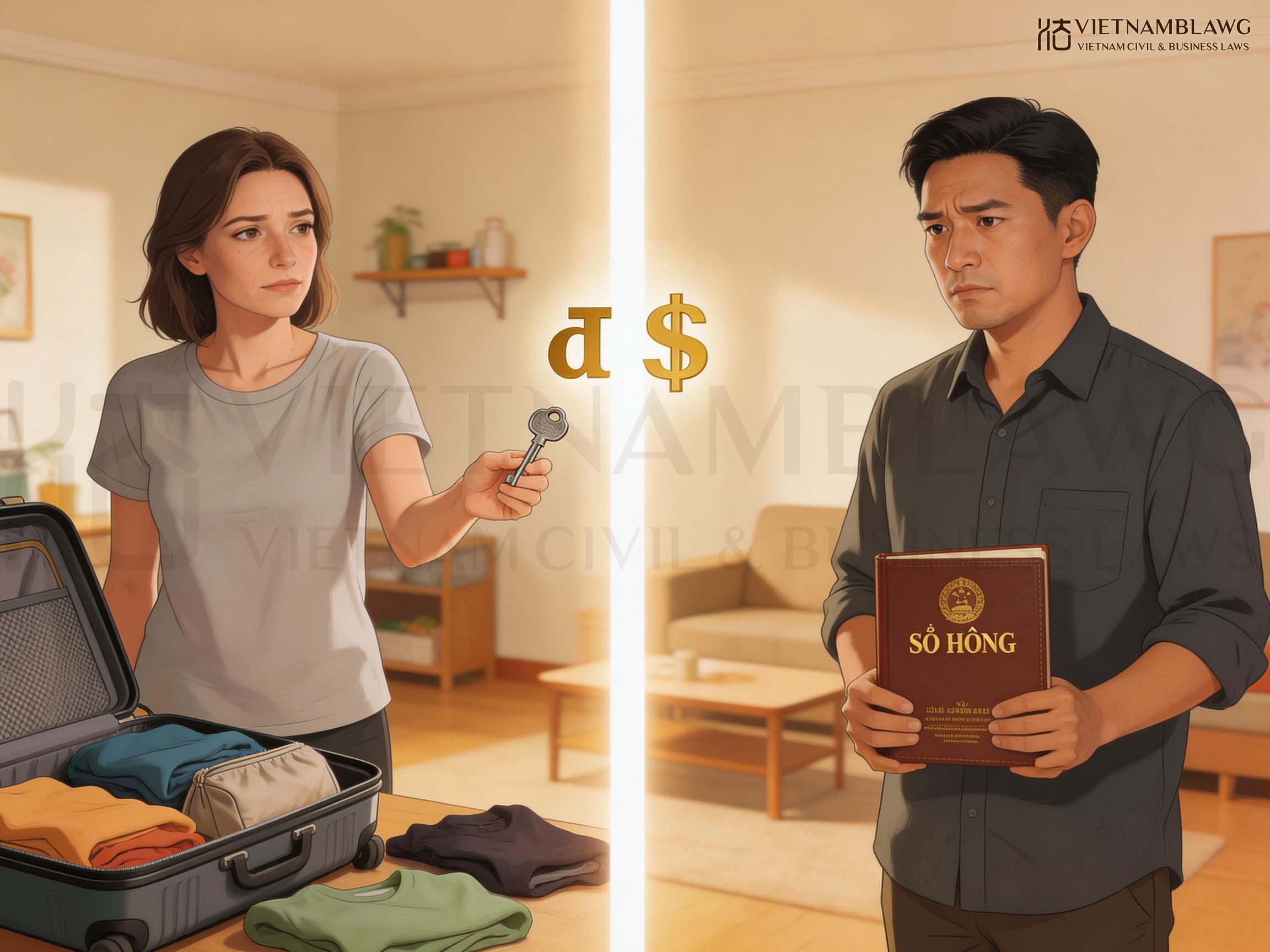

With property markets in Vietnam still booming and forging ahead, it is obvious that cross border divorces in Vietnam often invovle the division of real properties located in Vietnam, esp the big cities like Ho Chi Minh and Ha Noi.
In the meantime, cross-border marriages between Vietnamese citizen and foreign spouses are rising in number, so is the cross-border divorce cases in Vietnam.
You may also hear that Vietnam, as a socialiist country, has some strict and strange rules restricting foreigners from acquiring real properties in Vietnam. Like many other socialist countries such as China, it is critical to understand local real estate by distinguishing land and the strucures thereon. Land ownership always belongs to the state, but individuals are allowed to enjoy land use right, and own the apartments and properties built on land.
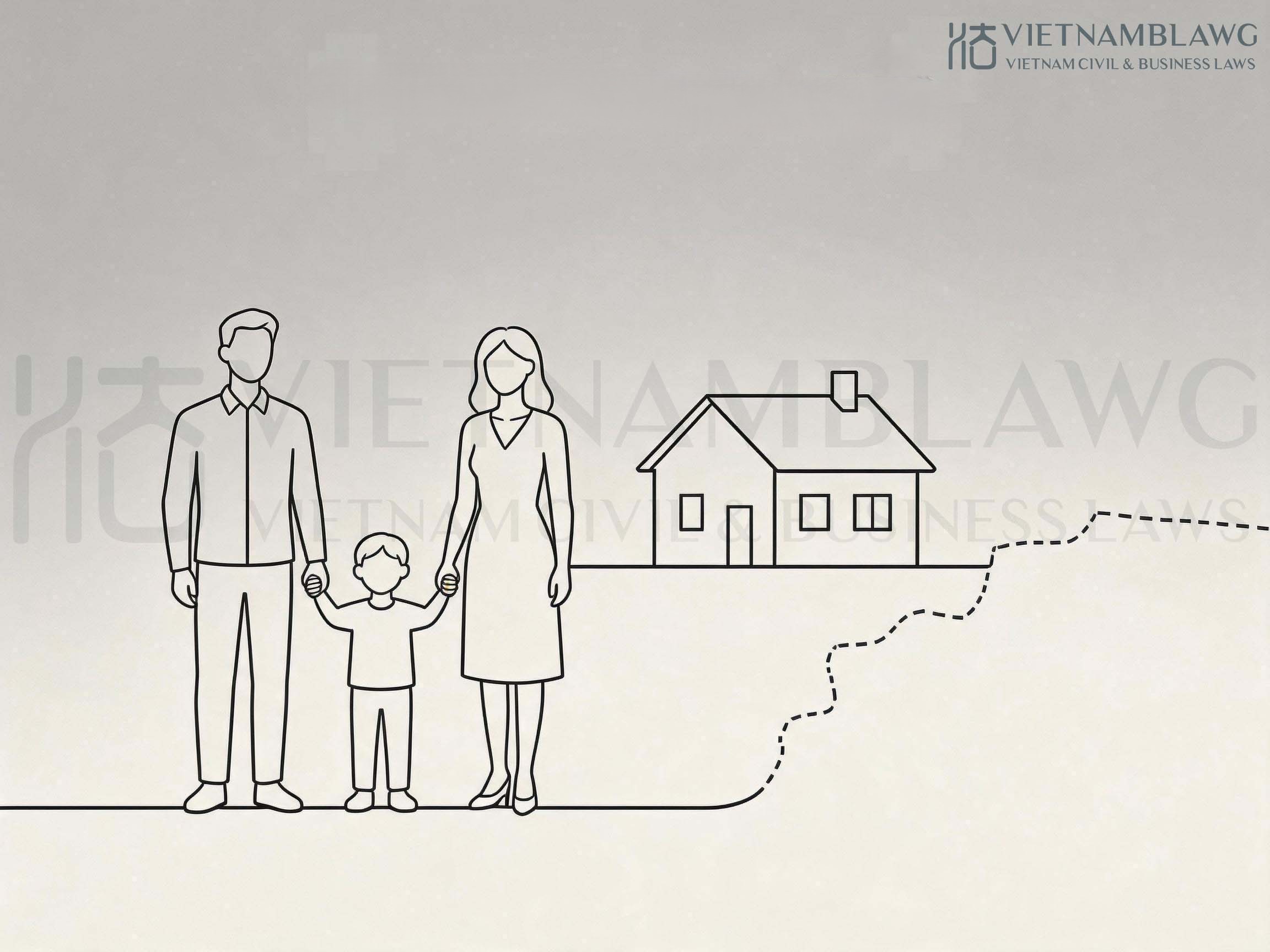
So when a foreigner divorces his or her Vietnamese spouse in Vietnam, could the foreign spouse end up owning their joint properties located in Vietnam?
Pursuant to Article 127 of the Law on Marriage and Family 2014 regarding divorce involving foreign elements:
1. Divorce between Vietnamese citizens and foreigners, or between foreigners permanently residing in Vietnam, shall be resolved at competent authorities of Vietnam in accordance with the provisions of this Law.
Việc ly hôn giữa công dân Việt Nam với người nước ngoài, giữa người nước ngoài với nhau thường trú ở Việt Nam được giải quyết tại cơ quan có thẩm quyền của Việt Nam theo quy định của Luật này.
2. In cases where a Vietnamese citizen is not permanently residing in Vietnam at the time of requesting divorce, the divorce shall be resolved according to the law of the country where the spouses have their common habitual residence; if they do not have a common permanent residence, it shall be resolved according to Vietnamese law.
Trong trường hợp bên là công dân Việt Nam không thường trú ở Việt Nam vào thời điểm yêu cầu ly hôn thì việc ly hôn được giải quyết theo pháp luật của nước nơi thường trú chung của vợ chồng; nếu họ không có nơi thường trú chung thì giải quyết theo pháp luật Việt Nam.
3. The settlement of property that is real estate located abroad upon divorce shall comply with the law of the country where such real estate is located.
Việc giải quyết tài sản là bất động sản ở nước ngoài khi ly hôn tuân theo pháp luật của nước nơi có bất động sản đó.
Thus, community property in the form of real estate located abroad shall, upon division, comply with the law of the country where such real estate is located.
For divorce cases at Vietnamese courts where the property to be divided is real estate located in Vietnam, the following rules shall be abided by:
(1) According to Point b, Clause 2, Article 159 of the Law on Housing 2014: foreign organizations and individuals may own housing in Vietnam through the following forms: Purchase, lease-purchase, donation, or inheritance of commercial housing including apartments and detached houses in housing investment projects, except for areas ensuring national defense and security as prescribed by the Government.
In practice, detached housing/properties may not be crystal clear, subject to inspection of local real estate authority.
(2) Furthermore, Clause 1, Article 75 of Decree 99/2015/ND-CP stipulates: foreign organizations and individuals may only own housing (including apartments and detached houses) in commercial housing investment projects, except for areas ensuring national defense and security as prescribed by Vietnamese law.
Accordingly, foreigners are generally not entitled to be named on house ownership certificate/title deeds and land use right certificate, but are only entitled to own apartments or detached houses as prescribed above. In other words, foreigners marrying Vietnamese people in Vietnam shall be cautious in purchasing properties in Vietnam in light of the restrictions on foreigners owning Vietnamese properties in the case of divorce.
Therefore, in my opinion, when dividing real estate as community property in this case, the wife shall be named on the certificate of house ownership and land use rights, while the foreigner shall receive the corresponding value of the divided portion converted into cash. However, the way leading to pocketing this money may be a bit bumpy in judicial practice.
Let us know if you have questions of this kind or are being caught up in such a plight situation.

Comments